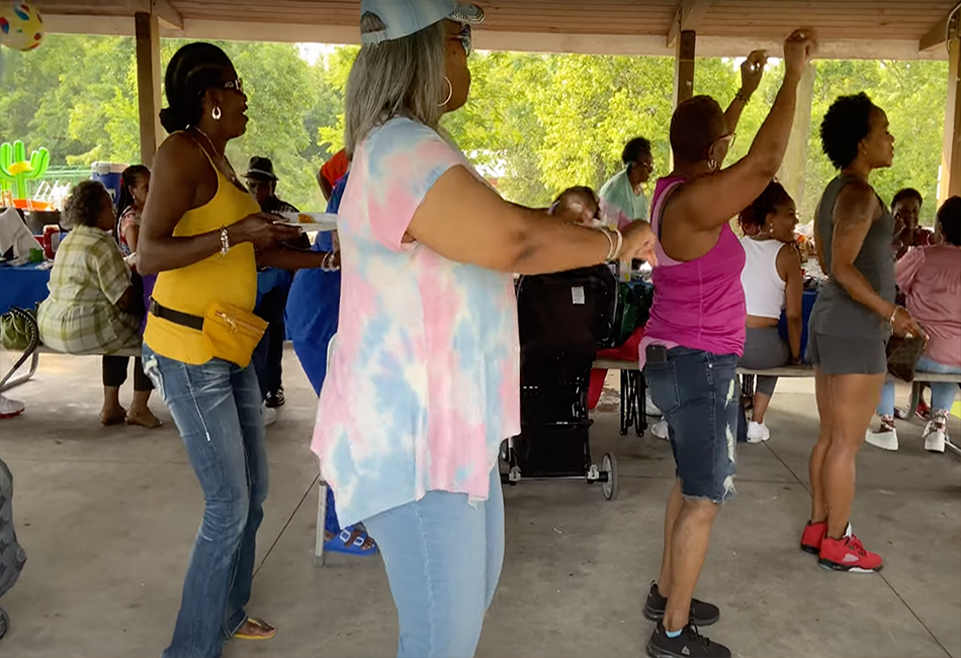
U.S. life expectancy keeps lengthening. Part of these gains according to a study by USC and Yale University researchers is that we are literally growing old slower than previous generations did.
“This is the first evidence we have of delayed ‘aging’ among a national sample of Americans,” said senior author Eileen M. Crimmins, University Professor and AARP Professor of Gerontology at the USC Leonard Davis School of Gerontology. The study by Crimmins and lead author Morgan E. Levine, assistant professor at the Yale Center for Research on Aging, appeared in the journal Demography on March 6, 2018.
They interviewed over twenty thousand people and found that their biological age, thanks to exercise, eating healthy, and slowed down the process of aging.
People are growing older more slowly and that is why they will be able to enjoy life longer.
We love that our parents and grandparents are part of our life. We care for each other. As we get older we slowly need more attention and care. We might be feeling wonderful well into our 80s and 90s. And yet, sooner or later we begin to age.
Free time has decreased since the advent of the smartphone. Fortunately, many tools are available to keep ourselves fit and engaged with our families, and our communities.
Since we may not feel very old for twenty or thirty years longer than our parents and grand-parents, we have to change our thinking and how we stay active and involved with life and the world.
Eileen Crimmins, PhD, is a University Professor and the AARP Chair in Gerontology at the USC Leonard Davis School of Gerontology. She is a member of the National Academy of Sciences, the National Academy of Medicine, and a fellow of the American Association for the Advancement of Science. She is currently the director of the USC/UCLA Center on Biodemography and Population Health, one of the Demography of Aging Centers supported by the U.S. National Institute on Aging. She is also the Director of the Multidisciplinary Training in Gerontology Program and the NIA-sponsored Network on Biological Risk. Crimmins is a co-investigator of the Health and Retirement Study in the U.S. Much of Crimmins’ research has focused on changes over time in health and mortality. Learn more about her at: https://gero.usc.edu/faculty/crimmins/
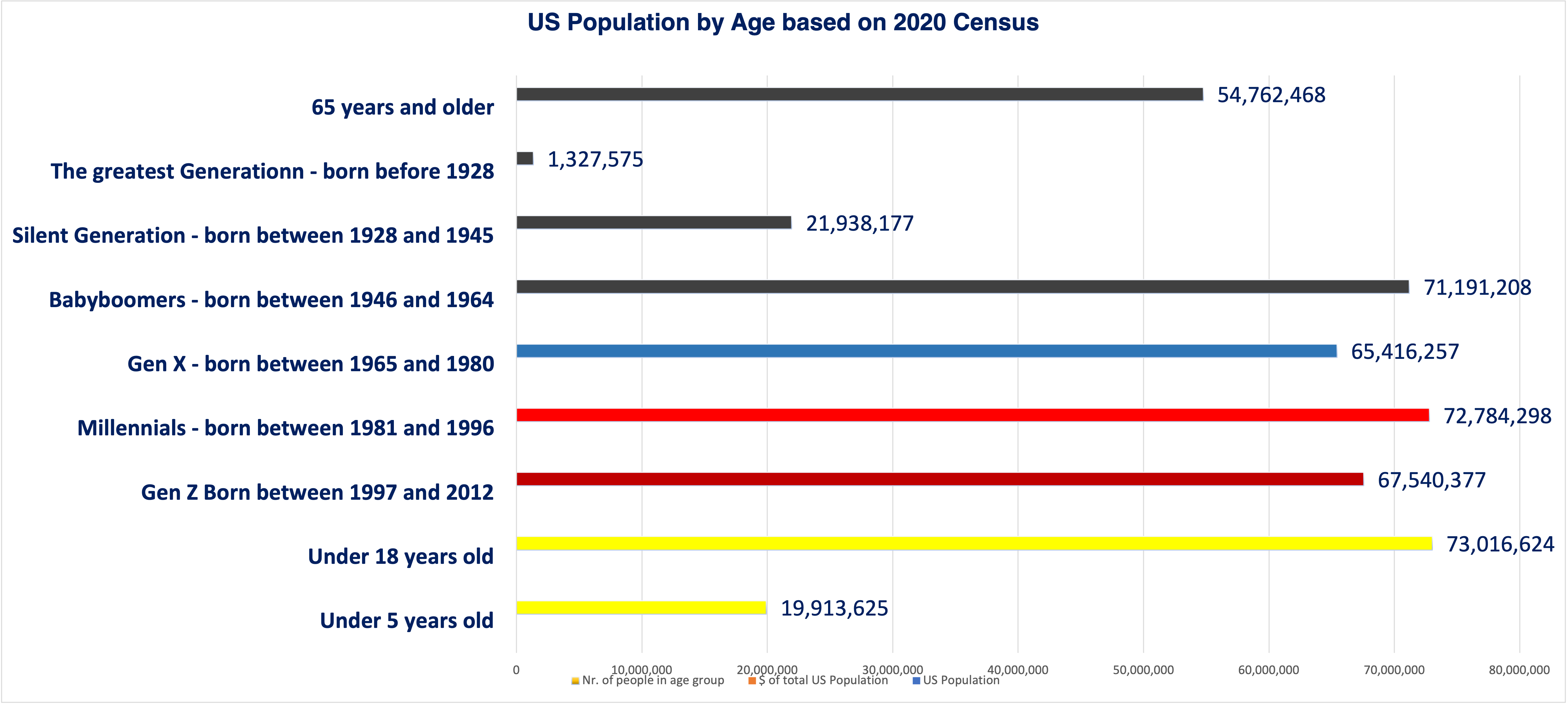
Americans overall are growing older than previous generations did. There are some declines in the increase of age and recent studies show that socio-econonic differences account for that more so than medical care.
Older Americans work longer than previous generations did. Part of this is due to the fact that the onset of the time social security starts has been delayed by about two years so far and will get delayed to 70 years of age or even older in the future.
In the past women grew older than men on average due to wars and the fact that men has more stress at work. This difference is rapidly diminishing now that several generations of women are working just as much and sometimes more than men.
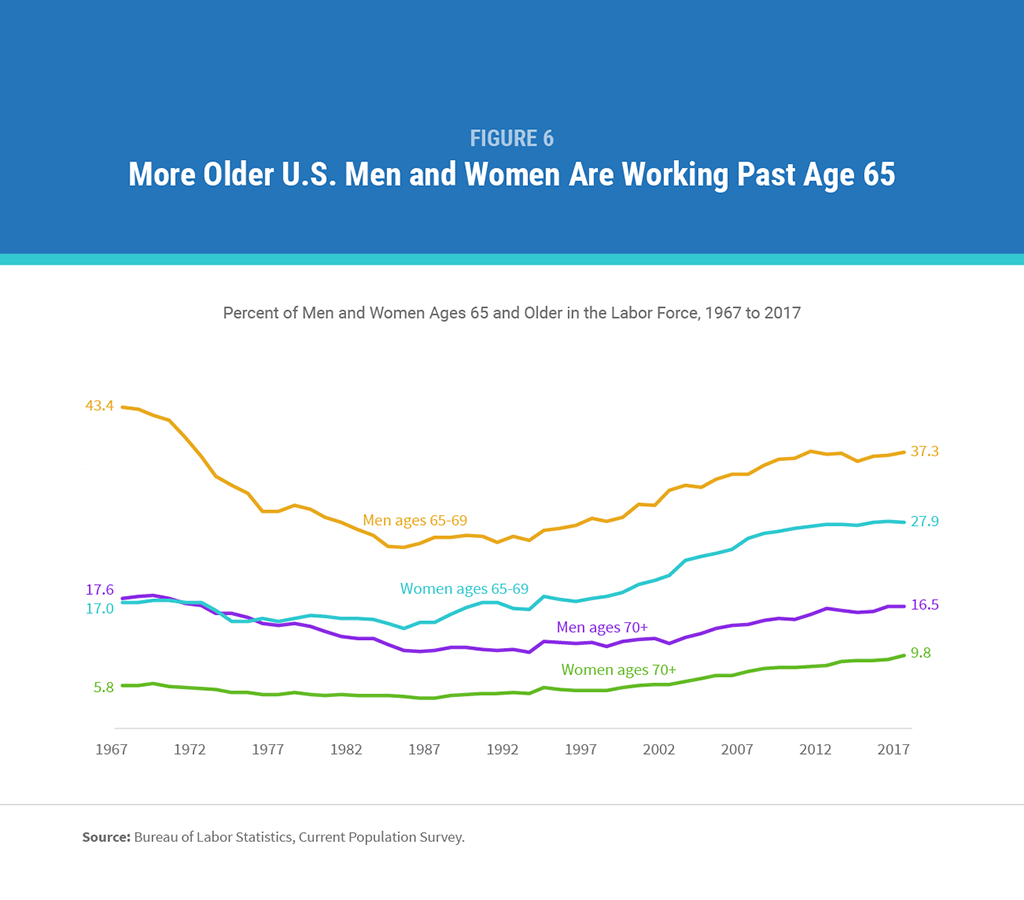
Many Americans are working longer than previous generations did. Even recently worker participation of older people increased while worker participation of younger people decreased due to COVID and unpleasant working conditions.
As we all stay active and engaged in our lives' pursuits it is important for our mental, emotional and therefore physical health that we stay in touch with our family members.
Knowing whether our loved ones are fine improves our peace of mind — establishing open communication with loved ones lowers everyone's stress level and helps us prevent situations we want to avoid.

Providing free services to our loved ones comes with short and long-term financial and emotional hardships. As of 2020, there were 41.8 million Americans who care for a person over 65 for "free." Often these caring people are not on the payroll, as their loved ones need care they can't afford. As a result, these caregivers aren't paying into social security, lowering the payout they will receive when they are older themselves.
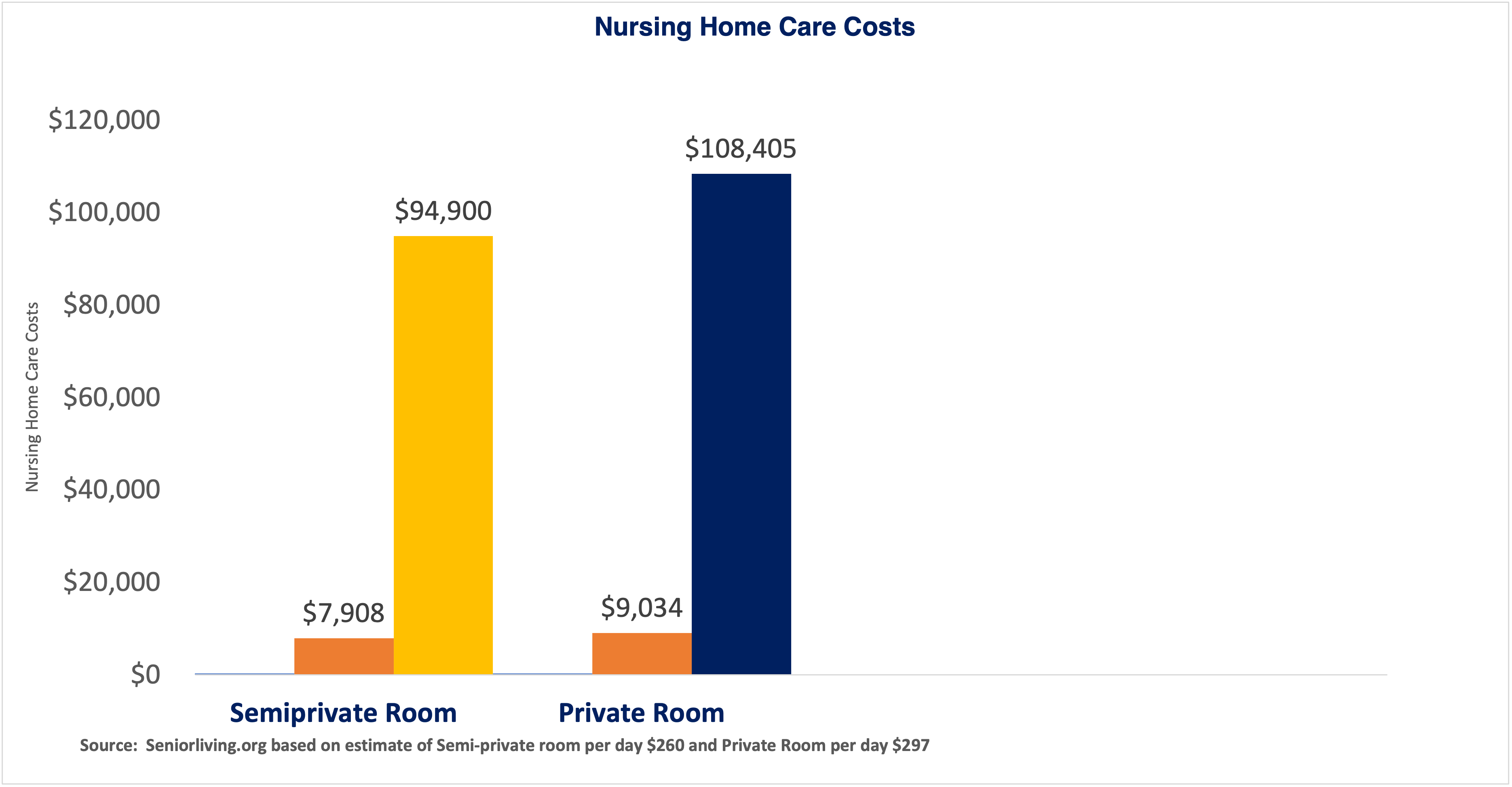
Assisted Living is even more expensive than nursing homes. Currently, 9,210,000 householders over 65 years earn less than the median household income of $67,521 in 2020. Only households that earn more than $200,000 per year can afford a bed in a nursing home for both parents. Only 1,656,000 US households headed by 65 or older heads have an income of $200,000 or more.
Currently, 9,210,000 householders over 65 years earn less than the median household income of $67,521 in 2020. Only households that earn more than $200,000 per year can afford a bed in a nursing home for both parents. Only 1,656,000 US households headed by 65 or older heads have an income of $200,000 or more.
Most American families are struggling to care for their elders with little assistance. Alldeyz Living discusses how everyone in the family can best cope with this reality. Enjoyment of life when young, in middle age, and preparing for our old age is equally as important as caring for our elders. Finding a healthy balance between self-care and caring for others is vital.
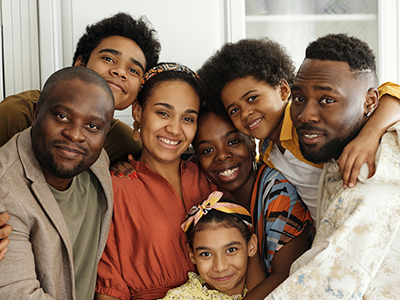
Strong family relationships are key to a happy life.
Enjoy our articles about amazing families and how relationships shapes their lives.
 288
288

Self care is one of the best ways to stay strong and healthy.
Exercise improves cognitive function, heals the body, and improves our mood.
 310
310
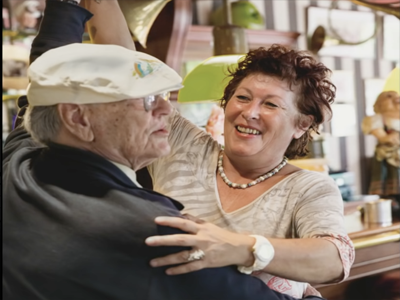
Do you know what your dad is doing? Hopefully he is dancing.
By 2030, over 20% of Americans will need elder care. Are you ready?
310

We all want to be healthy. Nutrition helps us with this goal.
The latest research shows that old recipes and eating habits are back in vogue.
 310
310
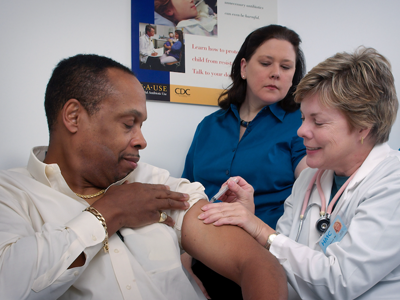
Nurturing our relationships with our doctors improves mutual trust and respect.
Getting checked when we feel well helps us catch things early.
310

News, social media and search engines expose us to innumerable messages.
Let our research team will assist with your questions. Ask us now.
310

Life is better with a bit of help from a friend. Kerry Gordy's firm helped many.
Here are exciting stories about how Kerry Gordy helps musicians get paid.
348
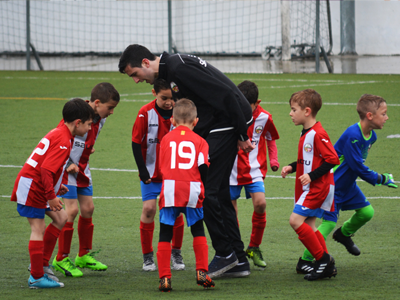
Sports bring communities and families together for fun times.
Coaches influence and train our kids as much as our national sports heroes.
120

More doctors realize that nutrition includes prevention.
Some simple changes reduce the chance of the problems of diabetes, etc.
310
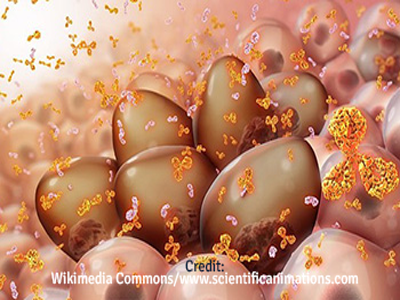
Breakthrough research identifies genetic mutations that cause blood cancers.
Signaling protein changes indicate potential leukemia. Learn more.
310

Apps are an ever more critical part of our lives and are genuinely helpful.
We regularly review some of the apps that improve our lives.
310

Here is a shout-out to our sponsors. Thank you for being so supportive.
Our sponsors work hard to improve our lives. Learn more about them here.
310